
Understanding Brain and Spine Disorders: Early Signs, Diagnosis, and Treatment Options
Understanding the Importance of Brain and Spine Health
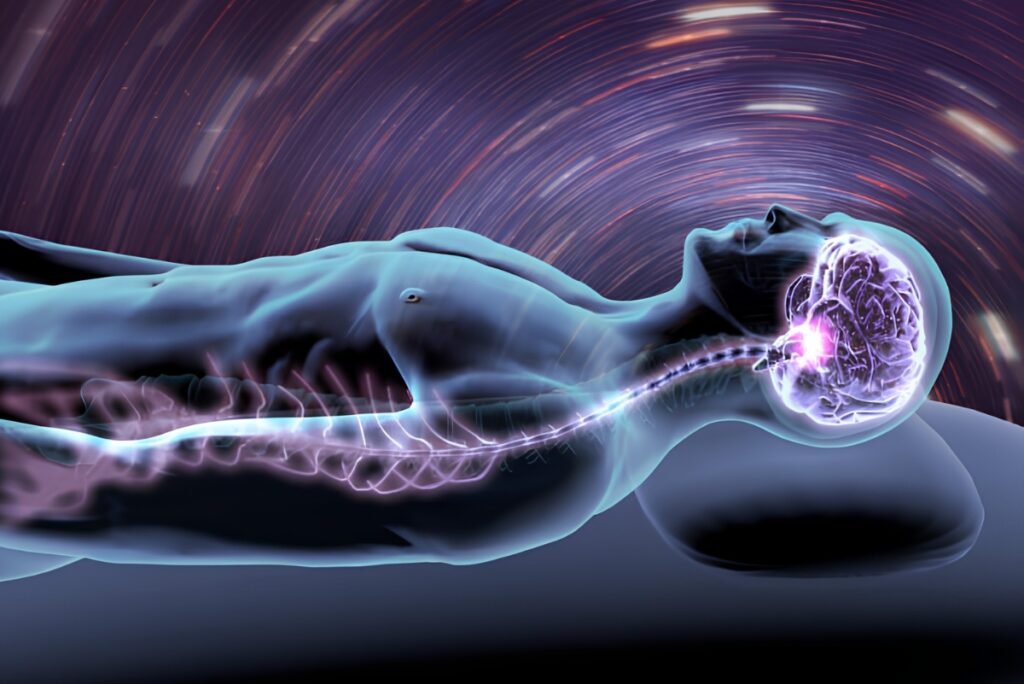
The brain and spine form the foundation of the nervous system, controlling movement, sensation, balance, memory, and countless other functions essential to daily life. When neurological disorders affect these structures, they can significantly impact physical abilities, mental well-being, and overall quality of life.
Neurological conditions can develop gradually over time or appear suddenly due to injury, disease, or other underlying health issues. While some symptoms may seem minor initially, ignoring them can lead to serious complications. Understanding the early warning signs and available treatment options can help individuals seek timely care and achieve better health outcomes.
Modern neurosurgery has transformed the diagnosis and management of neurological disorders, allowing patients to benefit from advanced technologies, minimally invasive procedures, and personalized treatment strategies.
How Neurological Disorders Affect Daily Life
Neurological disorders can influence almost every aspect of a person’s daily routine. Since the nervous system controls communication between the brain and the rest of the body, even minor disruptions can affect movement, sensation, coordination, and cognitive function.
Patients with neurological conditions often experience challenges such as persistent pain, muscle weakness, numbness, balance difficulties, or reduced mobility. In some cases, symptoms may affect speech, memory, concentration, or emotional well-being.
These conditions can gradually reduce independence and make routine activities more difficult. Early identification and treatment play a critical role in preventing progression and preserving neurological function.
Common Brain Disorders Requiring Medical Attention
The brain is a highly complex organ responsible for processing information and regulating body functions. Various conditions can affect brain health and require specialized evaluation.
Brain tumors are among the most recognized neurological conditions. These abnormal growths may be benign or malignant and can interfere with normal brain function depending on their size and location.
Traumatic brain injuries caused by accidents or falls may result in swelling, bleeding, or damage to brain tissue. Other conditions such as hydrocephalus, aneurysms, and certain movement disorders may also require neurological assessment and treatment.
Many brain-related conditions present with symptoms such as headaches, dizziness, seizures, vision changes, or difficulties with speech and memory. Early diagnosis is essential for effective treatment planning.
Understanding Spine-Related Neurological Conditions
The spine serves as the protective structure for the spinal cord and supports body movement. Disorders affecting the spine can place pressure on nerves and significantly impact mobility.
Common spinal conditions include herniated discs, spinal stenosis, degenerative disc disease, and spinal cord compression. These disorders often cause chronic neck pain, back pain, numbness, or weakness in the arms and legs.
As spinal conditions progress, they may interfere with walking, balance, and normal physical activity. In severe cases, untreated spinal disorders can lead to permanent neurological deficits.
Patients experiencing persistent spinal symptoms often seek consultation with the best neurosurgeon in Mumbai to obtain an accurate diagnosis and explore advanced treatment options.
Warning Signs That Should Never Be Ignored
Many neurological disorders begin with subtle symptoms that gradually worsen over time. Recognizing these warning signs early can significantly improve treatment outcomes.
Persistent headaches that do not improve with routine treatment should be evaluated, particularly if they are accompanied by nausea, vision disturbances, or balance issues.
Chronic neck pain or lower back pain that radiates to the limbs may indicate nerve compression. Numbness, tingling sensations, muscle weakness, and coordination problems are also important neurological symptoms.
Other warning signs include unexplained seizures, speech difficulties, memory problems, and changes in bladder or bowel function. These symptoms should never be ignored, as they may indicate underlying brain or spinal disorders requiring specialist care.
The Role of Advanced Diagnostic Evaluation
Accurate diagnosis is one of the most important steps in neurological treatment. Since many neurological conditions share similar symptoms, advanced diagnostic tools help specialists identify the exact cause of the problem.
A detailed medical history and neurological examination are usually the first steps in the evaluation process. These assessments help determine how the nervous system is functioning and identify areas of concern.
MRI scans provide highly detailed images of the brain and spinal cord, making them valuable for detecting tumors, nerve compression, and structural abnormalities. CT scans may be used to assess trauma, bleeding, or bone-related conditions.
Additional diagnostic studies, including nerve conduction tests and specialized imaging, may be recommended depending on the patient’s symptoms and medical history.
Non-Surgical Treatment Approaches in Neurological Care
Not every neurological condition requires surgery. Many disorders can be effectively managed through non-surgical treatment methods, particularly when diagnosed in their early stages.
Medication is often used to control pain, inflammation, seizures, or nerve-related symptoms. Physical therapy helps improve mobility, strength, and flexibility while supporting recovery from neurological injuries.
Lifestyle modifications, posture correction, ergonomic adjustments, and rehabilitation programs can also contribute to symptom management and long-term neurological health.
Regular monitoring allows healthcare providers to evaluate treatment effectiveness and make adjustments when necessary. These conservative approaches can often delay or eliminate the need for surgical intervention.
When Neurosurgical Treatment Becomes Necessary
In certain situations, surgery becomes the most effective treatment option. Neurosurgical intervention is generally recommended when symptoms continue to worsen, neurological function is at risk, or conservative treatment fails to provide relief.
Brain tumor surgery may be required to remove abnormal growths and reduce pressure on surrounding structures. Spine surgery can help relieve nerve compression, stabilize the spine, and restore mobility.
Modern neurosurgical procedures focus on preserving healthy tissue while effectively treating the underlying condition. Careful planning and advanced surgical techniques help improve outcomes and reduce complications.
Individuals seeking specialized treatment for complex neurological conditions often consult the best neurosurgeon in Mumbai to access advanced surgical expertise and comprehensive care.
Advancements Improving Modern Neurosurgical Care
Technological innovation has significantly improved the safety and effectiveness of neurosurgery. Modern procedures are now more precise, less invasive, and associated with faster recovery times.
Minimally invasive techniques allow surgeons to access affected areas through smaller incisions, reducing tissue damage and post-operative discomfort. Microsurgical technology provides enhanced visualization during delicate procedures involving the brain and spinal cord.
Image-guided navigation systems help surgeons perform procedures with greater accuracy, while intraoperative neuro-monitoring allows continuous assessment of nerve function during surgery.
These advancements have transformed patient outcomes and expanded treatment possibilities for many neurological conditions.
Recovery and Rehabilitation After Treatment
Recovery is an essential component of neurological care. Whether treatment involves medication, rehabilitation, or surgery, a structured recovery plan helps patients regain function and improve quality of life.
Post-treatment rehabilitation often includes physical therapy to restore mobility, strength, and coordination. Patients recovering from spinal procedures may focus on posture, flexibility, and movement training.
Those undergoing treatment for brain-related conditions may benefit from neuro-rehabilitation programs designed to improve cognitive abilities, balance, and motor skills.
Regular follow-up appointments ensure that progress is monitored closely and any complications are addressed promptly. Recovery timelines vary depending on the nature of the condition and the type of treatment received.
Long-Term Strategies for Maintaining Neurological Health
Maintaining brain and spine health requires ongoing attention and preventive care. Healthy lifestyle habits can help reduce the risk of many neurological disorders and support long-term well-being.
Regular exercise promotes circulation and supports spinal strength. Proper posture, safe lifting techniques, and ergonomic work environments help reduce strain on the spine.
Adequate sleep, balanced nutrition, stress management, and routine medical evaluations also contribute to optimal neurological function. Patients with existing neurological conditions should continue regular follow-up care to monitor their health and prevent complications.
Individuals who prioritize preventive care are often better equipped to maintain mobility, independence, and overall quality of life.
Specialized Care for Complex Neurological Conditions
Managing neurological disorders requires a combination of expertise, technology, and personalized treatment planning. Every patient presents unique symptoms and challenges that require individualized care.
Dr. Sachin Giri focuses on comprehensive neurological evaluation, advanced treatment strategies, and long-term patient support. Through modern diagnostic methods and evidence-based treatment approaches, patients receive care tailored to their specific needs.
Many individuals seeking advanced neurological treatment trust the best neurosurgeon in Mumbai for specialized management of complex brain and spine conditions, ensuring access to modern care and improved treatment outcomes.
Final Perspective on Brain and Spine Care
Brain and spine disorders can affect every aspect of daily life, from movement and sensation to memory and coordination. Early recognition of symptoms, accurate diagnosis, and timely treatment are essential for preventing complications and achieving positive outcomes.
Advances in neurosurgical technology and neurological care have made treatment safer and more effective than ever before. Whether managing a chronic spinal condition, a neurological disorder, or a complex brain-related problem, seeking expert medical guidance can make a significant difference.
With proper evaluation, personalized treatment planning, and ongoing care, patients can achieve improved neurological health, better mobility, and a higher quality of life.