
How Spinal Tumor Surgery Works: Complete Overview of Treatment and Recovery
Clinical Overview of Spinal Tumor Conditions
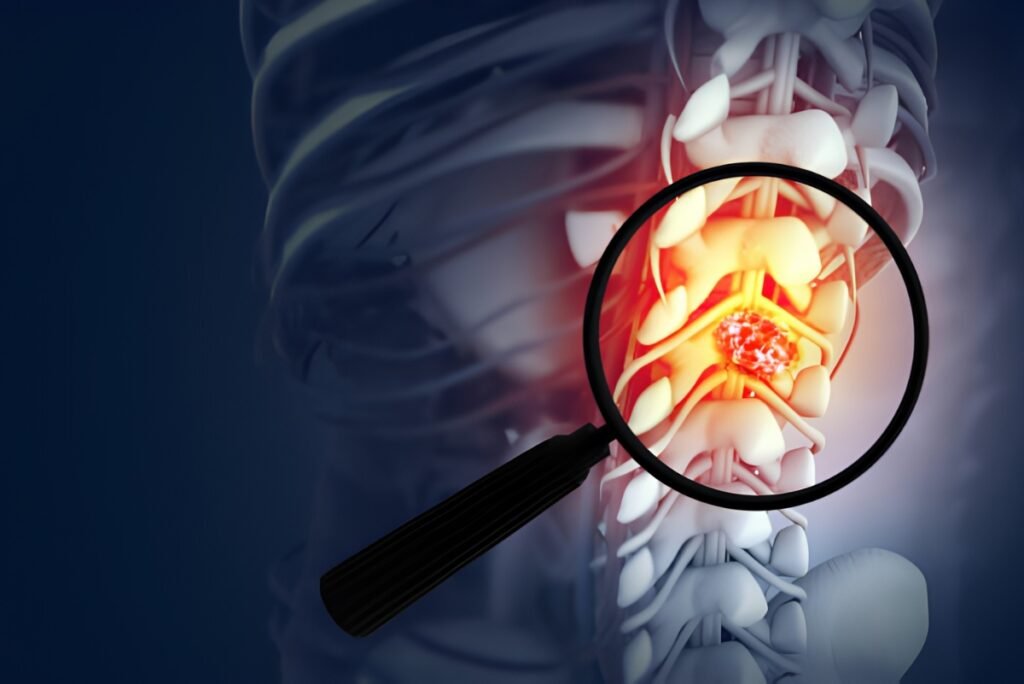
Spinal tumors are abnormal growths that develop either within the spinal cord, surrounding tissues, or the vertebral bones. These tumors may be benign (non-cancerous) or malignant (cancerous), but in both cases, they can significantly affect spinal stability and nerve function. As the tumor enlarges, it can exert pressure on the spinal cord and nearby nerves, leading to symptoms such as persistent pain, weakness, and neurological disturbances.
The impact of a spinal tumor depends largely on its size, location, and growth pattern. Even a small tumor in a sensitive area can lead to serious complications due to compression of neural structures. Over time, untreated tumors may result in loss of mobility or permanent nerve damage.
With advancements in medical science, the diagnosis and management of spinal tumors have become more accurate and effective. Modern imaging techniques and surgical innovations allow early detection and precise treatment planning. When symptoms progress or conservative management does not provide relief, spinal tumor surgery in Mumbai becomes a crucial option to restore function and prevent further neurological deterioration.
Classification and Nature of Spinal Tumors
Spinal tumors are categorized based on their anatomical location and origin, which plays a vital role in determining the treatment approach. Each type presents unique clinical challenges and requires specialized management.
Intramedullary tumors develop within the spinal cord itself and are often more complex to treat due to their proximity to critical neural tissues. Extramedullary tumors occur outside the spinal cord but within the spinal canal, and they may compress the spinal cord from the outside. Vertebral tumors affect the bones of the spine and can lead to structural instability or fractures if not managed appropriately.
Understanding the nature and classification of the tumor helps in selecting the most suitable treatment strategy, whether surgical or non-surgical, ensuring better outcomes and reduced risks.
Neurological Indicators Requiring Medical Evaluation
Spinal tumors often present with symptoms that may initially appear mild but gradually worsen over time. Early identification of these warning signs is essential to avoid complications and ensure timely treatment.
Patients commonly experience persistent back pain that does not improve with rest or medication. This pain may radiate to the arms or legs, depending on the location of the tumor. As nerve compression increases, symptoms such as numbness, tingling sensations, and muscle weakness may develop.
In more advanced stages, patients may notice difficulty in walking, loss of coordination, or balance issues. Severe cases can lead to loss of bladder or bowel control, indicating significant spinal cord involvement. These symptoms should never be ignored, as early medical evaluation can prevent irreversible damage and improve treatment success.
Diagnostic Approach and Clinical Assessment
Accurate diagnosis is the foundation of effective spinal tumor treatment. A comprehensive clinical assessment is conducted to determine the exact nature, size, and location of the tumor.
Imaging techniques such as MRI and CT scans play a crucial role in visualizing the tumor and understanding its relationship with surrounding structures. These scans provide detailed information that helps guide treatment decisions.
A neurological examination is also performed to assess reflexes, muscle strength, and sensory function. This evaluation helps determine the extent of nerve involvement and functional impairment.
In certain cases, a biopsy may be required to analyze the tumor tissue and confirm whether it is benign or malignant. This detailed diagnostic process ensures that the treatment plan is precise and tailored to the patient’s specific condition.
Strategic Planning for Spinal Tumor Management
Treatment planning for spinal tumors is a carefully structured process that considers multiple factors, including tumor type, location, growth rate, and the patient’s overall health condition.
In some cases, non-surgical approaches such as medication, radiation therapy, or chemotherapy may be sufficient to control tumor growth and manage symptoms. These treatments are often recommended for smaller tumors or when surgery poses higher risks.
However, when the tumor causes significant spinal cord compression or leads to progressive neurological symptoms, surgical intervention becomes necessary. At this stage, spinal tumor surgery in Mumbai is considered an effective treatment option to remove the tumor and relieve pressure on the spinal cord.
Surgical Intervention and Technical Approach
Spinal tumor surgery is performed with the primary objective of removing the tumor while preserving the integrity of the spinal cord and surrounding nerves. The procedure requires high precision and expertise to ensure optimal outcomes.
The surgical process typically involves tumor excision, where the abnormal growth is carefully removed. In addition to removing the tumor, decompression is performed to relieve pressure on the spinal cord and nerves, helping restore normal function.
In cases where the tumor affects spinal stability, additional procedures such as spinal stabilization may be required. This may involve the use of implants or bone grafts to support the spine and maintain its structural integrity.
Modern surgical techniques have significantly improved the safety and effectiveness of these procedures, reducing complications and enhancing recovery.
Advancements in Modern Neurosurgical Techniques
Technological advancements have transformed the field of neurosurgery, making spinal tumor surgery safer and more efficient. Minimally invasive techniques allow surgeons to operate with smaller incisions, reducing tissue damage and speeding up recovery.
Microsurgical methods enable precise tumor removal while protecting delicate neural structures. Intraoperative neuro-monitoring is used during surgery to continuously assess nerve function, ensuring safety throughout the procedure.
Image-guided navigation systems provide real-time guidance, allowing surgeons to achieve greater accuracy. These innovations contribute to improved surgical outcomes and a better overall treatment experience.
Long-Term Management and Preventive Care
Long-term care is an essential aspect of spinal tumor treatment, focusing on maintaining spinal health and preventing recurrence. Regular follow-up consultations allow doctors to monitor recovery progress and detect any potential issues early.
Patients are advised to maintain proper posture, avoid excessive physical strain, and adopt healthy lifestyle habits. Periodic imaging tests may be recommended to ensure that the condition remains stable.
These preventive measures help ensure sustained recovery and reduce the risk of future complications.
Risk Assessment and Safety Considerations
Spinal tumor surgery is generally considered safe when performed by experienced neurosurgeons using advanced techniques. However, like any surgical procedure, it carries certain risks.
These may include infection, bleeding, temporary neurological symptoms, or delayed healing. With proper planning, advanced technology, and post-operative care, these risks are minimized.
A well-structured treatment approach ensures that patient safety remains the top priority throughout the surgical process.
Clinical Expertise and Specialized Care Approach
Dr. Sachin Giri is recognized for his expertise in managing complex spinal conditions with advanced neurosurgical techniques. His approach focuses on accurate diagnosis, precise surgical intervention, and comprehensive post-operative care.
With extensive experience in spinal tumor surgery, he emphasizes patient safety, personalized treatment planning, and long-term recovery support. This specialized care approach helps achieve successful outcomes and improved quality of life for patients.
FAQs
Spinal tumor surgery is a procedure performed to remove abnormal growths from the spine and relieve pressure on the spinal cord.
Yes, it is safe when performed by experienced specialists using modern surgical techniques.
Recovery duration varies depending on the complexity of the surgery and the patient’s overall health.
Yes, certain cases can be managed with non-surgical treatments depending on the condition.
Early treatment helps prevent complications, reduces risks, and improves recovery outcomes.