SURGERY FOR MOYA-MOYA DISEASE

Dedicated Brain & Spine Care You Trust

SURGERY FOR MOYA-MOYA DISEASE

Moyamoya disease is a rare, progressive cerebrovascular disorder characterized by narrowing of the internal carotid arteries and the formation of fragile collateral vessels. This condition increases the risk of ischemic and hemorrhagic strokes, especially in children and young adults. Surgical intervention is often necessary to restore adequate blood flow to the brain and reduce the risk of stroke. With advances in microsurgery and perioperative care, revascularization procedures for Moyamoya disease can significantly improve neurological function and quality of life.

Moyamoya disease is a rare, progressive cerebrovascular disorder characterized by narrowing of the internal carotid arteries and the formation of fragile collateral vessels. This condition increases the risk of ischemic and hemorrhagic strokes, especially in children and young adults. Surgical intervention is often necessary to restore adequate blood flow to the brain and reduce the risk of stroke. With advances in microsurgery and perioperative care, revascularization procedures for Moyamoya disease can significantly improve neurological function and quality of life.

Surgery for Moyamoya Disease

Types of Surgical Procedures

Dr. Sachin Giri (12)

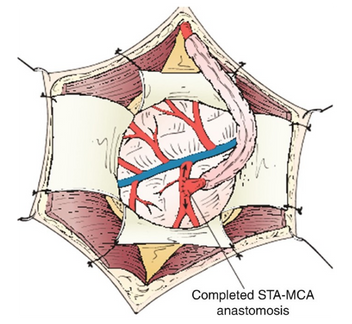
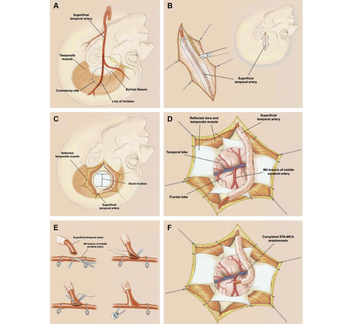
Direct Revascularization (STA-MCA Bypass)

1. Connects an external artery (superficial temporal artery) directly to a brain artery (middle cerebral artery).

2. Provides immediate improvement in blood flow to the brain.

3. Microsurgical techniques ensure precision and preservation of surrounding brain tissue.

Dr. Sachin Giri (12)

Indirect Revascularization (EDAS / EMS)

1. Encephaloduroarteriosynangiosis (EDAS) and Encephalomyosynangiosis (EMS) encourage gradual growth of new blood vessels.

2. Vascularized tissue is placed adjacent to the brain to promote collateral circulation over time.

3. Reduces stroke risk and improves cerebral perfusion.
Why Choose MVD for Trigeminal Neuralgia

FAQs

Direct revascularization (STA-MCA bypass), indirect revascularization (EDAS/EMS), or a combination of both.

Yes, early surgical intervention in children is highly effective in preventing strokes and improving long-term outcomes.

Surgery typically lasts 3 - 6 hours depending on the type of revascularization.

Hospital stay is usually 5 - 7 days; full recovery may take several weeks with rehabilitation.

Yes, adults with progressive Moyamoya disease or stroke history can safely undergo revascularization procedures.

Protect Your Brain – Consult Dr. Sachin Ashokrao Giri for Moyamoya Surgery

Schedule a consultation to explore advanced revascularization options and reduce your stroke risk.

Scroll to Top