
Shunt surgeries for hydrocephalus
Hydrocephalus is a neurological condition caused by the abnormal buildup of cerebrospinal fluid (CSF) in the brain’s ventricles. This excess fluid increases intracranial pressure, which may damage brain tissue and lead to symptoms like headaches, nausea, vision problems, balance issues, or cognitive decline. Shunt surgeries are the most common and effective treatment for hydrocephalus. They work by diverting excess CSF from the brain to another part of the body, where it can be safely absorbed.
Shunt Surgeries for Hydrocephalus
Types of Shunt Surgeries

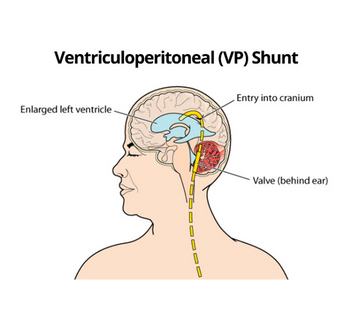
Ventriculoperitoneal (VP) Shunt
1. Most commonly performed procedure.
2. A catheter is placed in the brain’s ventricles, connected to a valve that regulates CSF flow.
3. The distal end is tunneled under the skin to the abdominal cavity, where fluid is absorbed.

Ventriculoatrial (VA) Shunt
1. CSF is diverted from the ventricles into the right atrium of the heart.
2. Preferred in patients where abdominal absorption is not suitable.

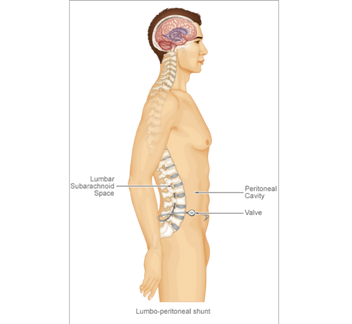
Lumboperitoneal (LP) Shunt
1. Diverts CSF from the lumbar spine to the abdominal cavity.
2. Often used in cases like normal pressure hydrocephalus or when cranial entry is not required.
Why Shunt Surgery is Important
Relieves intracranial pressure caused by CSF accumulation.
Prevents brain damage and neurological deterioration.
Reduces symptoms like headache, nausea, and balance problems.
Supports cognitive and developmental progress in children.
Improves overall quality of life and independence.
FAQs
It can result from birth defects, brain infections, bleeding, tumors, or head injuries.
Shunt surgeries are highly effective, significantly improving symptoms and quality of life in most patients.
Yes, shunt placement is commonly performed in infants and children with congenital or acquired hydrocephalus.
In select cases, endoscopic third ventriculostomy (ETV) may be an alternative, but shunts remain the standard treatment.
Yes, regular monitoring is important to ensure shunt function and prevent complications.
Take Control of Hydrocephalus with Expert Surgical Care
Dr. Sachin Ashokrao Giri provides safe and effective shunt surgeries to protect brain health and restore quality of life.