
Posterior fossa decompression SURGERY
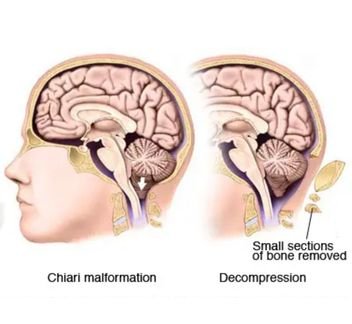
Posterior fossa decompression surgery is a specialized neurosurgical procedure most commonly performed to treat Arnold–Chiari malformation, a condition where part of the brain extends into the spinal canal due to a smaller-than-normal posterior fossa (the back portion of the skull). This abnormality can compress the brainstem and spinal cord, leading to neurological symptoms such as persistent headaches, dizziness, difficulty swallowing, coordination issues, and neck pain.
Posterior fossa decompression surgery is a specialized neurosurgical procedure most commonly performed to treat Arnold–Chiari malformation, a condition where part of the brain extends into the spinal canal due to a smaller-than-normal posterior fossa (the back portion of the skull). This abnormality can compress the brainstem and spinal cord, leading to neurological symptoms such as persistent headaches, dizziness, difficulty swallowing, coordination issues, and neck pain.
Posterior Fossa Decompression Surgery
When is Posterior Fossa Decompression Surgery Needed?

This procedure is considered when symptoms caused by Chiari malformation or related conditions interfere with daily life or threaten neurological function :
1. Severe or persistent headaches, often worsened by coughing, sneezing, or straining
2. Problems with balance, coordination, or frequent dizziness.
3. Difficulty swallowing or speaking clearly.
4. Numbness, weakness, or abnormal sensations in the arms or legs
5. Sleep apnea or breathing difficulties related to brainstem compression
How the Surgery is Performed
Incision and Craniectomy
A small portion of the skull at the back of the head is removed to create more space for the brain.
Relieving Compression
This allows the cerebellar tonsils (the lower part of the brain) to shift back to their normal position and reduces pressure on the brainstem and spinal cord.
Duraplasty (if required)
In many cases, the surgeon enlarges the protective covering of the brain (dura mater) using a patch graft. This provides extra space for the CSF to flow freely.
Closure and Recovery
The surgical site is carefully closed, and the patient is monitored for neurological stability.
FAQs
Many symptoms improve or resolve, especially headaches and pressure-related issues. However, long-standing neurological deficits may persist in some cases.
Recovery varies, but most patients begin to feel significant relief within weeks, with full recovery taking several months.
Most patients experience lasting symptom relief and stabilization of neurological function, particularly when surgery is performed before severe damage occurs.
Patients with Arnold–Chiari malformation experiencing severe or progressive neurological symptoms are most likely to need this procedure.
Take the First Step Toward RELIEF
If you or your loved one is struggling with symptoms of Chiari malformation or related posterior fossa conditions, timely surgical care can make all the difference.