
mechanical thrombectomy IN stroke cases
Ischemic stroke, caused by a blood clot blocking blood flow to the brain, is a life-threatening medical emergency. Rapid restoration of circulation is critical to minimize brain damage and improve recovery. Mechanical thrombectomy is a cutting-edge, minimally invasive procedure that physically removes the clot from the blocked artery. It is particularly useful for patients who are ineligible for or do not respond to clot-dissolving medications. This procedure has revolutionized acute stroke care, offering faster and more effective treatment for better neurological outcomes. MVD is a microsurgical procedure designed to relieve pressure on the trigeminal nerve caused by a nearby blood vessel. By carefully separating the nerve from the compressing vessel, this surgery can provide long-term relief while preserving nerve function.
Ischemic stroke, caused by a blood clot blocking blood flow to the brain, is a life-threatening medical emergency. Rapid restoration of circulation is critical to minimize brain damage and improve recovery. Mechanical thrombectomy is a cutting-edge, minimally invasive procedure that physically removes the clot from the blocked artery. It is particularly useful for patients who are ineligible for or do not respond to clot-dissolving medications. This procedure has revolutionized acute stroke care, offering faster and more effective treatment for better neurological outcomes. MVD is a microsurgical procedure designed to relieve pressure on the trigeminal nerve caused by a nearby blood vessel. By carefully separating the nerve from the compressing vessel, this surgery can provide long-term relief while preserving nerve function.
Mechanical Thrombectomy
What is Mechanical Thrombectomy?
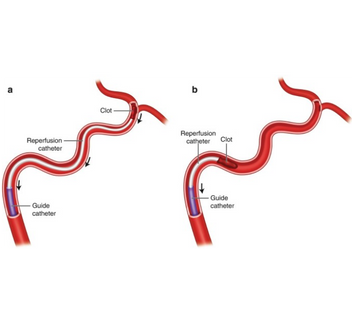
1. A minimally invasive procedure to remove blood clots causing ischemic stroke.
2. A catheter is inserted through the groin or wrist and navigated to the blocked brain artery.
3. Specialized devices, such as stent retrievers or aspiration catheters, capture and remove the clot.
4. Blood flow is restored immediately, reducing brain damage and improving recovery prospects.
5. Can be performed within six hours of stroke onset, with recent advancements extending the treatment window in selected patients.
Why Choose Mechanical Thrombectomy?
Rapid restoration of blood flow
Minimizes brain injury and improves functional recovery.
Minimally invasive
Avoids open surgery and reduces complications.
Effective for large vessel occlusions
Particularly useful when clot-dissolving medications are insufficient.
Improved survival and quality of life
Significantly reduces disability post-stroke.
Expert care
Performed by neurointerventional specialists with advanced imaging and real-time guidance.
FAQs
Yes, mechanical thrombectomy is minimally invasive, and when performed by an experienced neurointerventionalist, it is highly safe and effective.
Hospital stay usually lasts 2–5 days. Full recovery depends on stroke severity and rehabilitation.
Yes, patients are usually prescribed antiplatelet or anticoagulant medications to prevent future clots.
While it treats the current blockage, long-term stroke prevention requires lifestyle changes, medications, and follow-up care.
Many patients experience immediate improvement in symptoms, though full recovery may take weeks to months with rehabilitation. require periodic monitoring or repeat procedures.
Act Fast – Restore Brain Function with Mechanical Thrombectomy
Consult Dr. Sachin Ashokrao Giri for advanced stroke treatment and improve recovery outcomes.