
Detethering of the Spinal Cord for Tethered Cord Syndrome
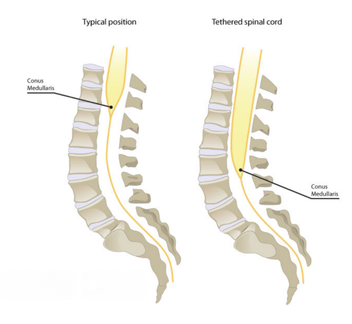
Detethering of the spinal cord is a delicate neurosurgical procedure performed to release abnormal attachments or tissues that restrict the natural movement of the spinal cord. This condition, known as tethered cord syndrome, often arises due to congenital abnormalities such as meningocele, lipomeningocele, or meningomyelocele.
Detethering of the spinal cord is a delicate neurosurgical procedure performed to release abnormal attachments or tissues that restrict the natural movement of the spinal cord. This condition, known as tethered cord syndrome, often arises due to congenital abnormalities such as meningocele, lipomeningocele, or meningomyelocele.
Detethering of the Spinal Cord for Tethered Cord Syndrome
Surgery Procedure
1. Incision : A precise incision is made over the affected area of the spine, usually in the lumbosacral region.
2. Release of Tethering : The surgeon uses microsurgical techniques to carefully separate the spinal cord from abnormal attachments that restrict its movement.
3. Repair of Defect (if present) : In cases of meningocele, lipomeningocele, or meningomyelocele, the defect in the spinal column is repaired to protect the exposed spinal cord and nerves.
4. Closure : The incision is securely closed with sutures or staples, and sterile dressing is applied.
Benefits of Detethering Surgery
Relief of neurological symptoms such as weakness, numbness, and back/leg pain.
Improved bowel and bladder control in affected children.
Prevention of progressive spinal cord damage as the child grows.
Correction or reduction of spinal deformities associated with tethered cord syndrome.
Improved long-term mobility and quality of life.
FAQs
It is a condition where the spinal cord is abnormally attached to surrounding tissues, causing stretching and neurological symptoms as a child grows.
The timing varies, but surgery is usually recommended in childhood when symptoms appear or imaging confirms tethering.
Yes, in some cases, re-tethering may occur, which is why long-term follow-up is essential.
Most children recover within a few weeks, though full rehabilitation may take longer if significant neurological deficits were present before surgery.
Expert Care for Tethered Cord SYNDROME
Ensure your child’s healthy development with advanced neurosurgical solutions.