
A Complete Overview of Spinal Tumor Surgery and Long-Term Spine Health
The Vital Role of the Spine in Neurological Health
The spine is one of the most important structures in the human body, providing support, stability, and protection for the spinal cord. It serves as the communication pathway between the brain and the rest of the body, allowing movement, sensation, and coordination to function normally.
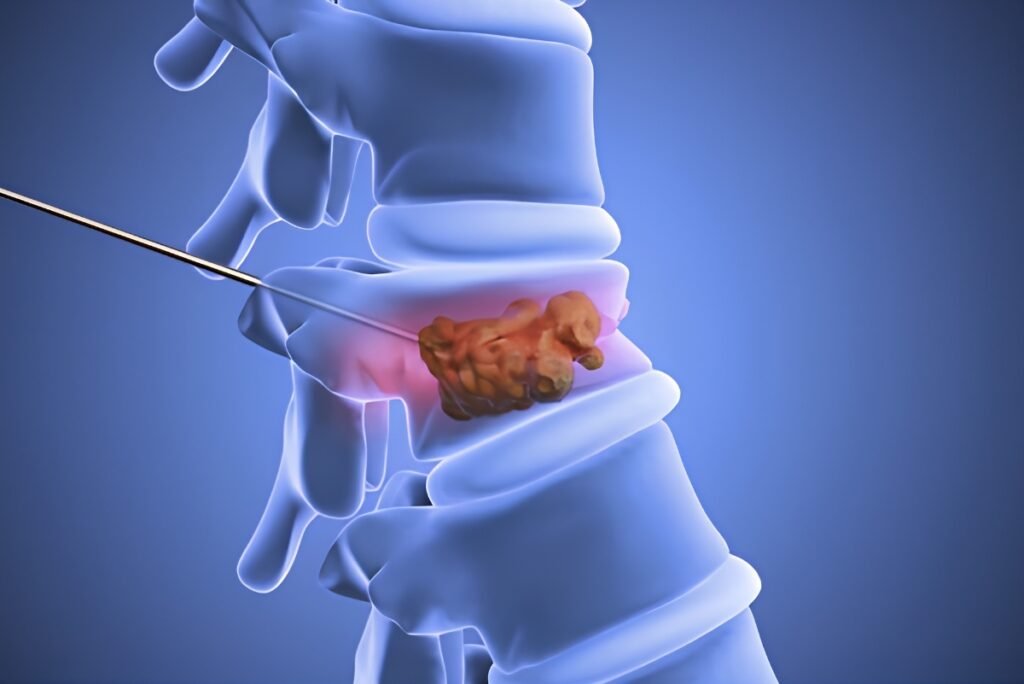
When abnormal growths develop within or around the spinal column, they can interfere with these essential functions. These growths, commonly known as spinal tumors, may affect the spinal cord, nerves, vertebrae, or surrounding tissues. As the tumor grows, it can place pressure on nearby neurological structures, potentially causing pain, weakness, and mobility limitations.
Advances in medical technology and neurosurgical techniques have significantly improved the diagnosis and treatment of spinal tumors, helping patients achieve better outcomes and improved quality of life.
Understanding the Different Types of Spinal Tumors
Spinal tumors can develop in various locations within the spine, and their classification plays a major role in determining the treatment approach.
Some tumors originate within the spinal cord itself, while others develop in the tissues surrounding the spinal cord or within the bones of the spine. Tumors may be benign or malignant, and both types can create neurological complications depending on their size and location.
Primary spinal tumors originate directly from spinal structures, whereas secondary tumors spread to the spine from cancers elsewhere in the body. Understanding the nature of the tumor is essential for creating an effective treatment plan.
Each case requires a detailed evaluation to determine how the tumor may affect spinal stability and neurological function.
Early Symptoms That Should Not Be Overlooked
Spinal tumors often produce symptoms gradually, making early diagnosis challenging. However, recognizing warning signs can help patients seek timely medical attention.
Persistent back pain is one of the most common symptoms associated with spinal tumors. Unlike ordinary muscle-related discomfort, this pain may worsen over time and may not improve with rest.
Pain that radiates into the arms, legs, or chest can indicate nerve involvement. Some individuals experience numbness, tingling sensations, muscle weakness, or reduced coordination.
As the condition progresses, walking difficulties, balance problems, and reduced mobility may occur. In more advanced cases, bladder or bowel dysfunction can develop when the spinal cord becomes significantly compressed.
Prompt medical evaluation is crucial whenever these symptoms persist or progressively worsen.
Diagnostic Techniques Used for Accurate Evaluation
A thorough diagnostic assessment is essential for identifying spinal tumors and understanding their impact on surrounding structures.
Magnetic Resonance Imaging (MRI) is considered one of the most effective tools for evaluating spinal tumors. It provides highly detailed images of the spinal cord, nerves, and soft tissues, helping specialists determine the exact location and size of the lesion.
Computed Tomography (CT) scans may be used to evaluate bone involvement and structural changes within the vertebral column. Additional imaging studies can provide further information regarding tumor characteristics and disease progression.
Neurological examinations are also performed to assess muscle strength, reflexes, coordination, sensation, and overall nerve function. In certain situations, biopsy procedures may be recommended to determine the exact nature of the tumor.
Creating an Individualized Treatment Strategy
No two spinal tumors are exactly alike. Treatment planning requires careful consideration of multiple factors, including tumor type, location, growth pattern, neurological symptoms, and overall patient health.
Some tumors may initially be managed through observation and periodic imaging when symptoms are minimal and growth remains stable. Other cases require more active intervention to prevent neurological deterioration.
Treatment options may include surgery, radiation therapy, chemotherapy, or a combination of approaches. The ultimate goal is to control or remove the tumor while preserving spinal stability and neurological function.
A personalized treatment plan ensures that each patient receives care tailored to their specific condition.
The Role of Surgery in Managing Spinal Tumors
Surgery often plays a central role in the treatment of spinal tumors, particularly when the tumor is causing spinal cord compression, progressive neurological symptoms, or structural instability.
The primary objective of surgery is to remove as much of the tumor as safely possible while protecting the spinal cord and surrounding nerves. Depending on the complexity of the condition, additional procedures may be performed to stabilize the spine.
Modern spinal tumor surgery in Mumbai focuses on balancing effective tumor removal with preservation of neurological function. Careful surgical planning helps minimize risks while improving long-term outcomes.
Advances in surgical techniques have significantly increased the ability to treat complex spinal tumors with greater safety and precision.
Technological Innovations Enhancing Surgical Precision
Modern neurosurgery benefits from a wide range of advanced technologies that improve surgical accuracy and patient safety.
Microsurgical techniques allow surgeons to visualize delicate spinal structures with exceptional clarity. Surgical microscopes provide magnified views that help distinguish tumors from healthy tissue.
Image-guided navigation systems assist in identifying anatomical landmarks during surgery, improving precision and reducing the risk of injury to surrounding structures.
Intraoperative neuro-monitoring continuously evaluates spinal cord and nerve function throughout the procedure. These technologies play a vital role in improving outcomes during spinal tumor surgery in Mumbai and reducing the likelihood of neurological complications.
Preserving Mobility and Neurological Function
One of the greatest challenges in spinal tumor treatment is protecting neurological function while effectively managing the tumor.
The spinal cord contains critical pathways responsible for movement, sensation, and coordination. Even minor damage to these pathways can affect daily activities and independence.
Modern surgical strategies focus on preserving these functions through meticulous planning and advanced monitoring techniques. Protecting nerve structures remains a top priority throughout treatment.
Successful management not only addresses the tumor itself but also supports long-term mobility and overall quality of life.
Recovery Following Spinal Tumor Surgery
Recovery after spinal tumor surgery varies depending on the complexity of the procedure and the patient’s neurological condition before treatment.
Immediately following surgery, patients are carefully monitored to assess spinal cord function and overall stability. Pain management and early mobilization are important aspects of the recovery process.
As healing progresses, rehabilitation programs may be introduced to improve strength, flexibility, balance, and coordination. Physical therapy often plays a significant role in helping patients regain independence.
Recovery timelines differ among individuals, but structured rehabilitation and consistent follow-up care contribute significantly to successful outcomes.
Long-Term Monitoring and Spine Health Management
The treatment journey does not end after surgery. Long-term follow-up is essential for monitoring recovery and ensuring continued neurological wellness.
Regular imaging studies may be recommended to evaluate treatment success and identify any changes that require attention. Clinical assessments help track mobility, strength, sensation, and overall neurological function.
Patients are encouraged to maintain healthy lifestyle habits that support spinal health, including regular physical activity, proper posture, weight management, and adherence to medical recommendations.
These measures contribute to sustained recovery and improved quality of life.
Comprehensive Care for Complex Spinal Conditions
Managing spinal tumors requires specialized expertise, advanced technology, and individualized treatment planning. Every patient presents unique clinical challenges that demand a personalized approach.
Dr. Sachin Giri provides comprehensive neurosurgical care focused on accurate diagnosis, advanced treatment strategies, and long-term patient support. Through modern surgical techniques and evidence-based care, treatment plans are designed to optimize outcomes while prioritizing safety.
Patients considering sinal tumor surgery often seek experienced care capable of addressing both the tumor and the neurological challenges associated with spinal disorders.
Building a Strong Foundation for Long-Term Neurological Recovery
Spinal tumors can significantly impact mobility, nerve function, and overall well-being, but modern medical advancements have expanded the range of effective treatment options available today.
Early diagnosis, accurate evaluation, and timely intervention remain essential for protecting spinal cord function and improving long-term outcomes. Through advanced surgical techniques, technological innovation, and structured rehabilitation, many patients can successfully regain function and return to daily activities.
With specialized treatment, ongoing medical support, and a commitment to recovery, individuals undergoing spinal tumor surgery in Mumbai can move forward with confidence toward improved neurological health and a better quality of life.