
Skull Base Surgery in Mumbai: Understanding Treatment, Procedure Steps and Recovery
Introduction
Skull base surgery is one of the most advanced and delicate neurosurgical procedures used to treat conditions located at the bottom of the brain. This area is highly sensitive as it connects critical nerves, blood vessels, and brain structures.
Choosing the right specialist for skull base surgery in Mumbai is essential, as expertise and precision directly impact the success of the surgery and recovery outcomes.
What is Skull Base Surgery?
Skull base surgery is a specialized procedure used to treat tumors and abnormalities located at the base of the skull. This region includes important structures like nerves, blood vessels, and brain tissues that control essential body functions.
Due to the complexity of this area, traditional surgery can be risky. However, modern techniques have made treatment safer and more effective. Minimally invasive approaches allow surgeons to access the affected area with minimal damage to surrounding tissues.
Conditions Treated with Skull Base Surgery
Skull base surgery is recommended for several complex neurological and structural conditions that cannot be treated with regular surgical methods. These conditions often affect vital functions like vision, hearing, and balance.
Common conditions include:
- Brain tumors (benign and malignant)
Tumors at the skull base can press on important brain structures and affect normal functioning. Both cancerous and non-cancerous tumors require precise removal to avoid complications. Early treatment improves survival and quality of life. - Pituitary tumors
These tumors affect the hormone-producing gland and can lead to hormonal imbalance and vision issues. Patients may experience fatigue, weight changes, or headaches. Minimally invasive surgery is often effective in treating these tumors. - Acoustic neuroma
This non-cancerous tumor affects the nerve responsible for hearing and balance. It can cause hearing loss, dizziness, and facial numbness over time. Early surgical treatment helps preserve nerve function and prevent further complications. - Meningioma
Meningiomas develop in the protective layers of the brain and may grow slowly over time. When located at the skull base, they can press on nerves and blood vessels. Careful surgical planning is required for safe removal. - Skull base infections
Infections in this area can spread quickly and become serious if not treated early. They may affect surrounding tissues and lead to complications. Surgery helps remove infected areas and control the spread. - Cerebrospinal fluid (CSF)-leak
A CSF leak occurs when the protective fluid around the brain escapes through a defect in the skull base. This increases the risk of infection and requires immediate attention. Surgical repair helps restore normal function and prevent complications.
Types of Skull Base Surgery
There are different types of skull base surgery depending on the condition and location of the problem. The choice of technique depends on the size, position, and complexity of the issue.
- Open Skull Base Surgery
This traditional method involves making an incision in the skull to access the affected area. It is usually recommended for large or complex tumors that cannot be removed using minimally invasive techniques. Although effective, it may require a longer recovery time. - Endoscopic (Minimally Invasive) Surgery
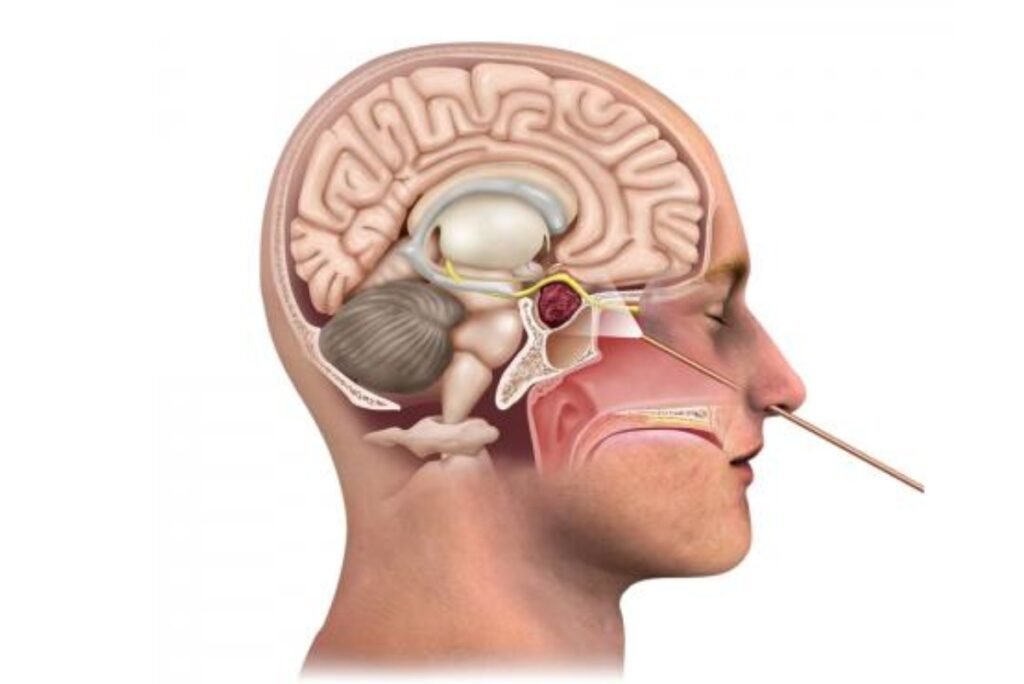
This modern technique uses small instruments and a camera inserted through the nose or tiny openings. It reduces pain, scarring, and hospital stay. Most patients recover faster with fewer complications using this method.
Procedure Steps of Skull Base Surgery
Understanding the procedure helps reduce fear and gives clarity to patients and families. Each step is carefully planned to ensure safety and effectiveness.
- Pre-Surgery Evaluation
Doctors perform detailed scans like MRI or CT to identify the exact location of the problem. Blood tests and neurological exams are also conducted to assess the patient’s overall health. Proper evaluation helps in planning a safe surgical approach. - Surgical Planning
The surgeon decides the best technique based on the condition and its location. Advanced imaging and technology are used to map the surgical path. This step is crucial to minimize risks and improve outcomes. - Surgery
The procedure is performed under general anesthesia to ensure patient comfort. The surgeon carefully removes the tumor or corrects the abnormality while protecting surrounding tissues. Precision is very important during this stage. - Post-Surgery Monitoring
After surgery, patients are closely monitored in the ICU or recovery unit. Doctors check neurological functions and ensure there are no complications. Regular follow-ups are important for long-term recovery.
Benefits of Advanced Skull Base Surgery
Modern surgical techniques have made skull base procedures safer and more effective than before. These advancements help improve patient outcomes and reduce recovery time.
Key benefits include:
- High precision treatment with advanced tools
- Minimal damage to surrounding tissues
- Reduced risk of complications
- Faster recovery and shorter hospital stay
For patients considering skull base surgery in Mumbai, access to advanced technology and experienced specialists plays a key role in achieving successful outcomes.
Risks and Complications
Like any major surgery, skull base surgery also carries certain risks. However, with experienced surgeons and proper planning, these risks are significantly reduced.
Possible risks include:
- Infection
- Bleeding
- Nerve damage
- Vision or hearing issues
- CSF leakage
Understanding these risks helps patients stay prepared and follow medical advice carefully for better recovery.
Recovery After Skull Base Surgery
Recovery depends on the complexity of the surgery and the patient’s overall health. With proper care and guidance, most patients recover successfully over time.
Recovery tips:
- Follow doctor’s instructions strictly
- Take medications on time
- Avoid heavy physical activity
- Attend regular follow-up visits
With expert care and guidance, patients can gradually return to normal life and daily activities.
When to Consult a Specialist?
Early consultation plays a crucial role in successful treatment. Ignoring symptoms can delay diagnosis and increase complications.
Consult a specialist if you experience:
- Persistent headaches
- Vision or hearing problems
- Facial numbness
- Balance issues
- Hormonal imbalance
Timely medical attention ensures better outcomes and faster recovery.
Conclusion
Skull base surgery is a highly specialized procedure that requires expertise, precision, and advanced technology. It plays a vital role in treating complex brain conditions and improving patient quality of life.
Understanding the treatment process, procedure steps, and recovery helps patients feel more confident and prepared. Choosing the right specialist ensures safe treatment and better long-term results.
FAQs
Skull base surgery is a specialized procedure used to treat tumors and abnormalities located at the base of the brain using advanced surgical techniques.
It is recommended when conditions like tumors or CSF leaks affect critical brain functions and cannot be treated with medications alone.
While there are risks, modern techniques and experienced surgeons make the procedure much safer today.
Recovery usually starts within a few weeks, but full recovery may take a few months depending on the case.
It offers less pain, faster recovery, smaller incisions, and reduced hospital stay compared to traditional surgery.