
SURGERY FOR BRAIN ABSCESS
A brain abscess is a serious condition caused by bacterial or fungal infections leading to a pus-filled cavity within the brain. If untreated, it can cause severe swelling, neurological deficits, seizures, or even life-threatening complications. Surgical treatment is often essential to drain the abscess, relieve intracranial pressure, and eliminate infection, thereby protecting brain function. MVD is a microsurgical procedure designed to relieve pressure on the trigeminal nerve caused by a nearby blood vessel. By carefully separating the nerve from the compressing vessel, this surgery can provide long-term relief while preserving nerve function.
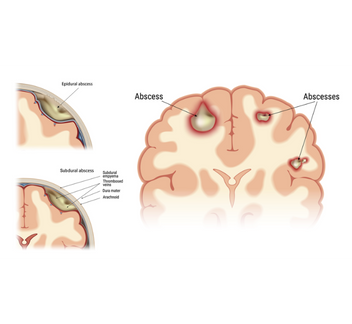
A brain abscess is a serious condition caused by bacterial or fungal infections leading to a pus-filled cavity within the brain. If untreated, it can cause severe swelling, neurological deficits, seizures, or even life-threatening complications. Surgical treatment is often essential to drain the abscess, relieve intracranial pressure, and eliminate infection, thereby protecting brain function.
Microvascular Decompression (MVD) for Trigeminal Neuralgia
Surgical Approaches for Brain Abscess

Aspiration (Minimally Invasive Approach)
1. A small burr hole is created in the skull.
2. A needle or catheter is inserted to drain pus from the abscess.
3. Often guided by CT or MRI imaging for accuracy.
4. Commonly preferred when the abscess is in an accessible location.
5. Less invasive, shorter recovery, and effective in many cases.
Excision (Open Surgery)
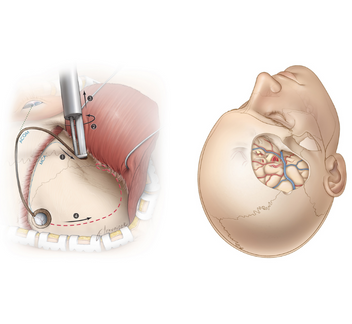
1. Involves opening the skull (craniotomy) to directly remove the abscess.
2. Chosen when aspiration is not sufficient or the abscess is large, encapsulated, or recurrent.
3. Provides complete clearance and reduces the risk of re-infection.
Why Surgery for Brain Abscess is Necessary
Relieves intracranial pressure caused by swelling.
Removes infectious material, reducing the risk of spread.
Prevents neurological complications, such as paralysis or seizures.
Improves prognosis, especially when combined with antibiotics or antifungal therapy.
FAQs
CT or MRI scans are the most reliable methods, often combined with blood tests and cultures.
Small abscesses may respond to antibiotics alone, but most require surgical aspiration or excision.
With modern neurosurgical techniques, the procedure is safe and significantly reduces complications.
Recovery varies; most patients spend 1–2 weeks in hospital and may need follow-up care for several weeks.
Yes, prolonged antibiotic or antifungal therapy is essential to eliminate the infection completely.
Get Timely and Effective Treatment for Brain Abscess
Consult Dr. Sachin Ashokrao Giri for advanced surgical care to treat brain abscesses and protect neurological health.