
SURGERY FOR craniosynostosis
Craniosynostosis is a condition in which one or more of the sutures in a baby’s skull close too early, before the brain has fully developed. This can lead to abnormal skull shape, increased intracranial pressure, and developmental concerns if left untreated. Surgery is the most effective treatment to correct the fused sutures, allowing the brain to grow normally and restoring natural cranial shape.
Craniosynostosis is a condition in which one or more of the sutures in a baby’s skull close too early, before the brain has fully developed. This can lead to abnormal skull shape, increased intracranial pressure, and developmental concerns if left untreated. Surgery is the most effective treatment to correct the fused sutures, allowing the brain to grow normally and restoring natural cranial shape.
Surgery for Craniosynostosis
Types of Surgical Procedures
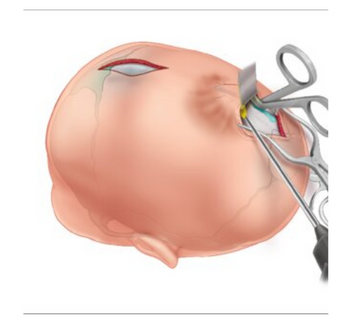
Open Cranial Vault Remodeling
1. Traditional method involving an incision across the scalp.
2. Skull bones are carefully removed, reshaped, and repositioned to create a normal head shape.
3. Often used in older infants or complex cases.
4. Provides immediate correction and allows normal brain growth.
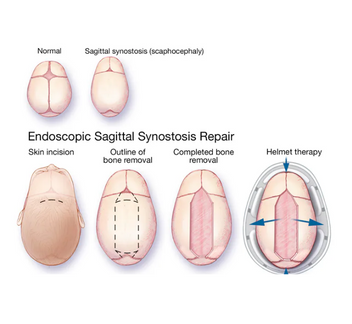
Minimally Invasive Endoscopic Surgery
1. Performed through small incisions using an endoscope (a thin camera-assisted instrument).
2. The fused suture is released, allowing the skull to expand naturally as the brain grows.
3. Typically recommended for infants younger than 6 months.
4. Usually followed by helmet therapy to guide skull shaping.
5. Benefits include shorter surgery time, reduced blood loss, and faster recovery.
Why Surgery is Needed
Prevents increased intracranial pressure that can affect brain function.
Improves skull and facial symmetry for cosmetic and psychological well-being.
Supports healthy brain growth and development.
Enhances overall quality of life by preventing neurological complications.
FAQs
Surgery is ideally performed between 3 - 12 months of age, depending on the approach. Earlier intervention offers better outcomes.
Both approaches are effective. Endoscopic surgery is less invasive but suitable mainly for younger infants, while open surgery is better for older babies or complex cases.
Recovery usually takes a few weeks. Patients typically recover faster than those undergoing open procedures.
Success rates are very high, with most children achieving excellent skull shape and normal growth.
Ensure Healthy Skull and Brain Development for Your Child
Consult Dr. Sachin Ashokrao Giri for expert evaluation and advanced craniosynostosis surgery options.