

ENDOVASCULAR PROCEDURES
Endovascular procedures represent the next generation of minimally invasive neurosurgery, designed to treat vascular conditions of the brain and spinal cord from inside the blood vessels. Using advanced catheters, guidewires, and real-time imaging, these procedures allow surgeons to reach the site of abnormality without the need for open brain or spine surgery. The benefits of endovascular procedures include smaller incisions, reduced risks, faster recovery, and excellent outcomes.
Endovascular procedures represent the next generation of minimally invasive neurosurgery, designed to treat vascular conditions of the brain and spinal cord from inside the blood vessels. Using advanced catheters, guidewires, and real-time imaging, these procedures allow surgeons to reach the site of abnormality without the need for open brain or spine surgery. The benefits of endovascular procedures include smaller incisions, reduced risks, faster recovery, and excellent outcomes.
Endovascular Procedures
Types of Endovascular Procedures
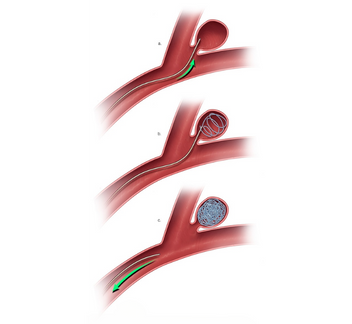
Coiling of Aneurysm
1. Tiny platinum coils are placed inside the aneurysm sac using a catheter.
2. Promotes clotting inside the aneurysm and prevents rupture.
3. Minimally invasive and highly effective for aneurysm management.
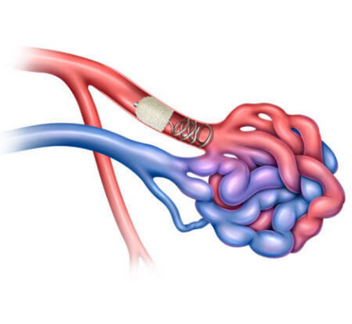
Embolization of AVM (Arteriovenous Malformation)
1. A catheter is guided to the AVM.
2. Embolic agents like medical glue or micro-particles block abnormal blood flow.
3. Reduces bleeding risk and may make surgery safer.
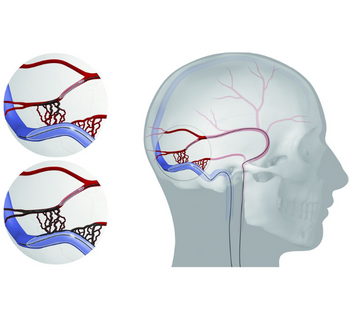
Embolization of Dural AV Fistulas
1. Treats abnormal connections between arteries and veins in the dura mater.
2. Catheter delivers embolic material to close off abnormal connections.
3. Restores normal blood flow and reduces symptoms/risks.
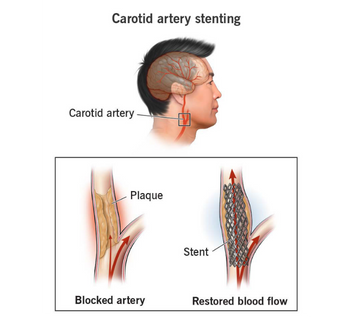
Stenting for Carotid Stenosis
1. Treats narrowing of carotid arteries in the neck (a major cause of stroke).
2. A stent is placed to widen the artery and improve brain blood flow.
3. Often combined with balloon angioplasty for best results.
Why Choose Endovascular Procedures?
Minimally invasive
No need for open surgery.
Faster recovery
Shorter hospital stays and quicker return to normal life.
Lower risk
Reduced complications like infection or bleeding.
Precision
Advanced imaging ensures accurate targeting of the problem.
Effective outcomes
Proven long-term results for vascular conditions.
FAQs
With advanced imaging and experienced specialists, endovascular procedures are highly safe and effective.
Yes, the minimally invasive nature makes it safer for elderly patients compared to open surgery.
Most patients recover within a week, with hospital stay usually only a few days.
Depending on complexity, it can last from 1 to 4 hours.
In most cases, yes. However, some patients may require periodic monitoring or repeat procedures.
Choose Minimally Invasive Endovascular Care for Your Brain & Spine Health
Consult Dr. Sachin Ashokrao Giri to explore advanced endovascular treatment options for aneurysms, AVMs, and vascular blockages.