
Excision of AVM & aneurysm clipping
Excision Of AVM & aneurysm clipping
Brain vascular abnormalities, such as arteriovenous malformations (AVMs) and aneurysms, pose serious risks if untreated. AVMs are abnormal tangles of blood vessels that disrupt normal blood flow and can cause bleeding, seizures, or neurological deficits. Aneurysms are weakened areas in artery walls that can balloon and rupture, leading to life-threatening hemorrhages.
Surgical intervention, including AVM excision and aneurysm clipping, is often the most effective way to prevent complications, restore normal circulation, and protect neurological function.
Dr. Sachin Giri combines over 13 years of experience, advanced microsurgical skills, and modern imaging techniques to provide safe, precise, and minimally invasive solutions for these complex conditions.
Brain vascular abnormalities, such as arteriovenous malformations (AVMs) and aneurysms, pose serious risks if untreated. AVMs are abnormal tangles of blood vessels that disrupt normal blood flow and can cause bleeding, seizures, or neurological deficits. Aneurysms are weakened areas in artery walls that can balloon and rupture, leading to life-threatening hemorrhages.
Surgical intervention, including AVM excision and aneurysm clipping, is often the most effective way to prevent complications, restore normal circulation, and protect neurological function.
Excision of AVM & Aneurysm Clipping
Types of Procedures
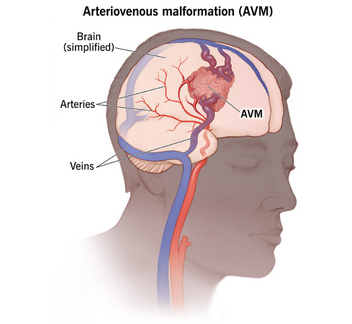

Excision of AVM
1. Surgical removal of the abnormal tangle of blood vessels.
2. Reduces the risk of hemorrhage and seizure occurrence.
3. Utilizes microsurgical techniques and intraoperative imaging to ensure complete removal.
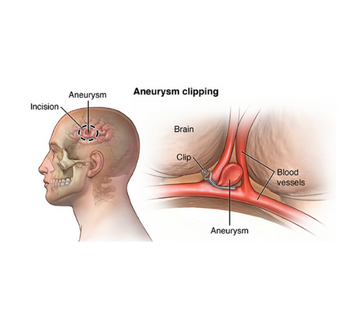
Aneurysm Clipping
1. Placement of a metal clip at the base of the aneurysm to isolate it from normal blood flow.
2. Prevents rupture and subsequent bleeding.
3. Surgery is performed under high magnification for precision, minimizing risks to surrounding brain tissue.
How These Surgeries Work
Preoperative Planning
Advanced MRI, CT, and angiography for detailed mapping of blood vessels.
Microsurgical Techniques
High-definition visualization and specialized instruments for precise excision or clipping.
Intraoperative Navigation
Real-time imaging guides surgeons to minimize risks.
Postoperative Monitoring
Intensive care to detect and manage any complications early.
FAQs
AVMs are abnormal tangles of blood vessels disrupting normal flow, while aneurysms are weakened artery walls that can balloon and rupture.
With modern imaging, microsurgical techniques, and experienced surgeons, AVM excision and aneurysm clipping are highly safe with good outcomes.
The duration depends on the size and complexity but typically ranges from 4 - 8 hours.
Hospital stay usually lasts 5–10 days, with full recovery depending on individual health and surgery complexity.
Some small or stable AVMs/aneurysms may be managed with observation or endovascular treatments, but surgery is often recommended for high-risk cases.
Protect Your Brain Health – Consult Dr. Sachin Ashokrao Giri
Schedule a consultation today to explore safe and effective AVM excision or aneurysm clipping.